
New construction can be an exciting opportunity for anyone looking to own a home in Gunnison County, Colorado. Whether you’re dreaming of a custom mountain retreat in Crested Butte, a primary residence in Gunnison, or a property that fits your long-term investment goals, building a new home offers the opportunity to create a space that suits your lifestyle. However, before diving into the process, it’s important to understand the costs, timelines, land requirements, and other considerations that come with building in our mountain communities. From choosing the right location to evaluating the long-term value of your investment, doing your homework early can help you make more informed decisions.
Here are six important topics to explore if you’re considering new construction in Gunnison County:
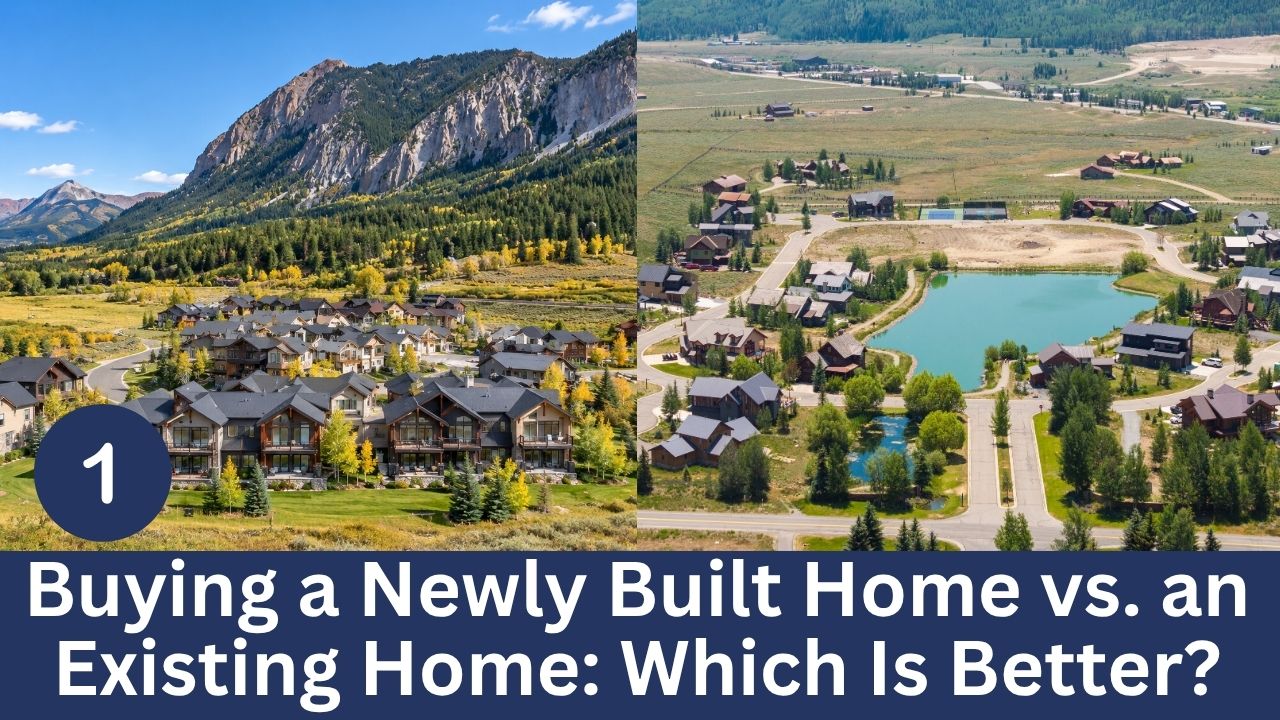

Choosing between a newly built home and an existing property is one of the first decisions buyers face. New construction often offers modern layouts, updated building materials, energy-efficient features, and the opportunity to personalize certain finishes. Depending on the property, buyers may also benefit from newer appliances, updated systems, and less immediate maintenance. However, new homes can come with a higher purchase price, longer waiting periods if construction is ongoing, and additional expenses for landscaping, window coverings, appliances, or other finishing touches.
Existing homes, on the other hand, may offer established landscaping, mature neighborhoods, convenient locations, and architectural character that can be difficult to replicate in a new build. In Gunnison County, an existing property may also provide easier access to recreation, town amenities, or established community infrastructure. The best choice depends on your budget, timeline, desired location, and willingness to take on maintenance or customization. Comparing the full costs and benefits of both options can help you decide which property is the right fit.
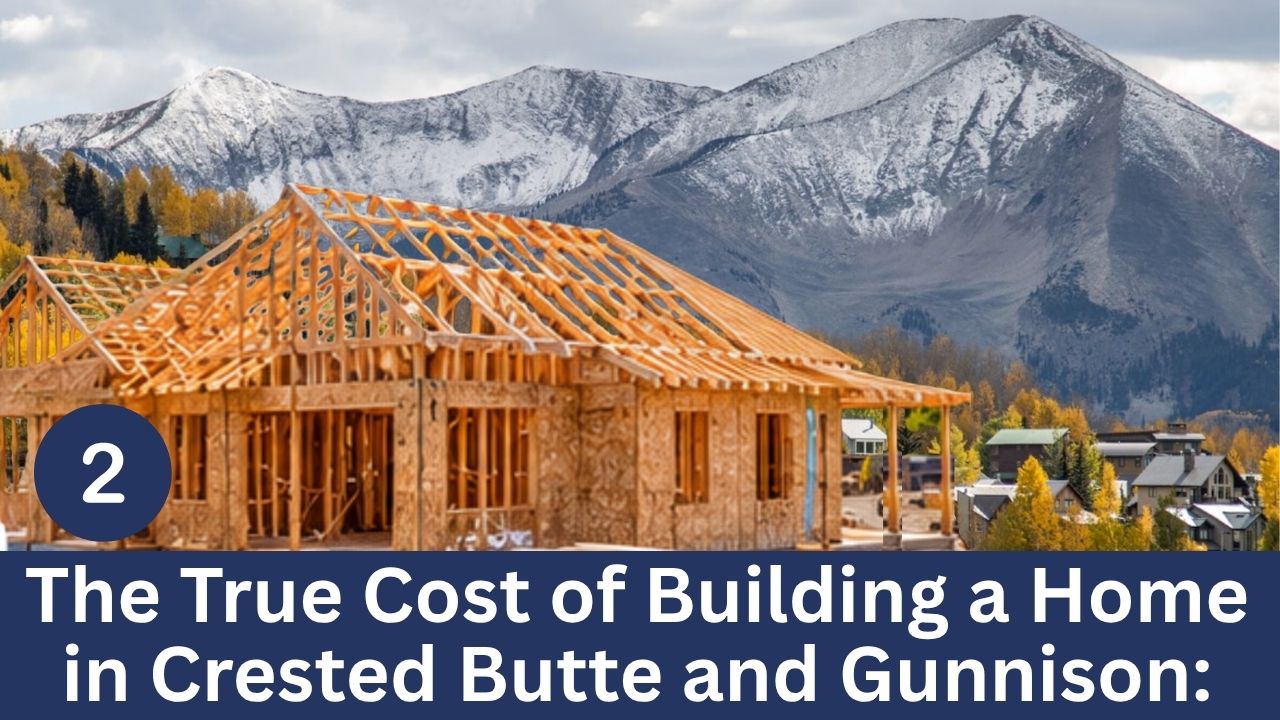
Building a home involves much more than purchasing a lot and paying a contractor. Buyers should account for architectural and engineering fees, permits, site preparation, excavation, foundation work, construction materials, labor, and utility connections. Depending on the property, additional expenses may include well and septic systems, driveway construction, drainage improvements, retaining walls, and landscaping. Mountain terrain, snow conditions, soil characteristics, and access to a building site can all influence the overall cost of a project.
It’s also important to establish a realistic contingency budget for unexpected expenses and potential changes during construction. Material prices, contractor availability, and project delays can affect the final cost, so obtaining detailed estimates and understanding what is included in a builder’s contract is essential. Before committing to a project in Crested Butte, Mt. Crested Butte, Gunnison, or another part of the county, buyers should evaluate the total anticipated investment rather than focusing solely on the advertised land price or initial construction estimate.
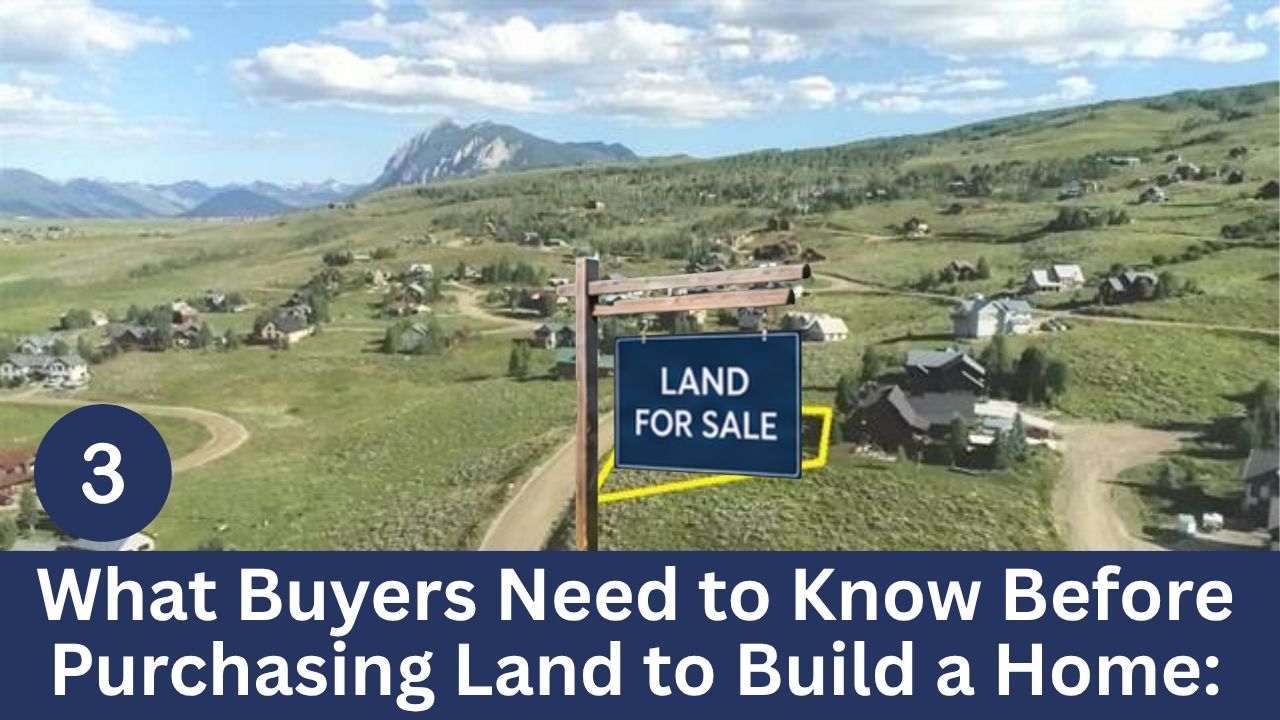
Purchasing vacant land can be the first step toward building a dream home, but not every lot is suitable for every type of construction. Before making an offer, buyers should investigate zoning, permitted uses, building setbacks, easements, road access, property boundaries, and any applicable subdivision or HOA restrictions. It’s also important to determine whether water, sewer, electricity, and other utilities are available and what it would cost to connect them. For properties outside municipal service areas, buyers may need to investigate well permits, septic feasibility, and other site-specific requirements.
The physical characteristics of a lot can also affect whether a proposed home is practical and affordable. Slopes, soil conditions, drainage, wildfire considerations, snow accumulation, and access for construction equipment may influence the design and cost of a project. Buyers should verify building possibilities with the appropriate planning and permitting authorities rather than assuming that a vacant lot is automatically buildable. Reviewing these details before closing can help reduce the risk of unexpected costs and ensure the land aligns with your intended plans.
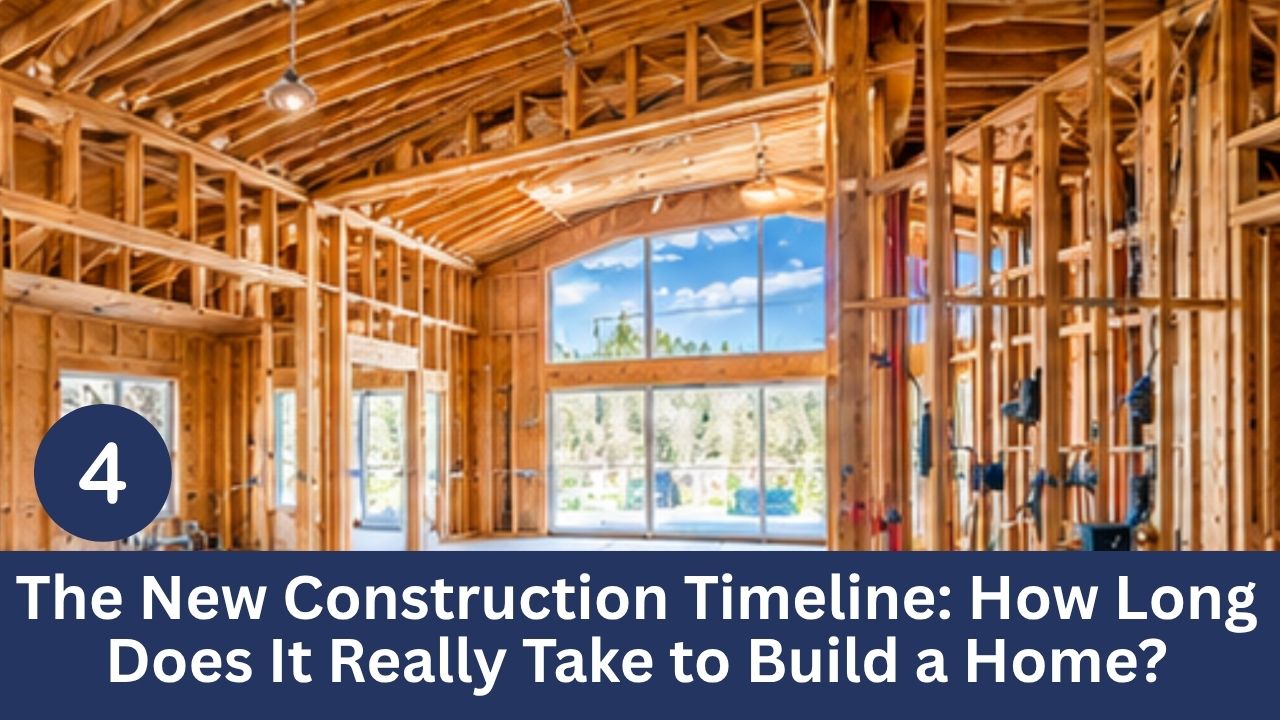
Building a home involves several stages, and construction itself is only part of the timeline. Buyers may need to allow time for land due diligence, architectural design, engineering, financing, permit applications, contractor selection, and material ordering before work can begin. Once construction starts, the project typically progresses through site preparation, foundation work, framing, roofing, mechanical systems, insulation, interior finishes, inspections, and final completion. The time required will vary depending on the home’s size, design complexity, builder, permitting requirements, and availability of materials and labor.
In Gunnison County, mountain weather and seasonal conditions can introduce additional scheduling challenges. Snow, frozen ground, difficult site access, and limited availability of specialized contractors may affect when certain phases can be completed. Buyers planning a primary residence, second home, or relocation should discuss realistic schedules and potential delays with their builder before making commitments. A detailed construction schedule, regular communication, and a clear understanding of what happens if deadlines shift can make the process easier to manage.
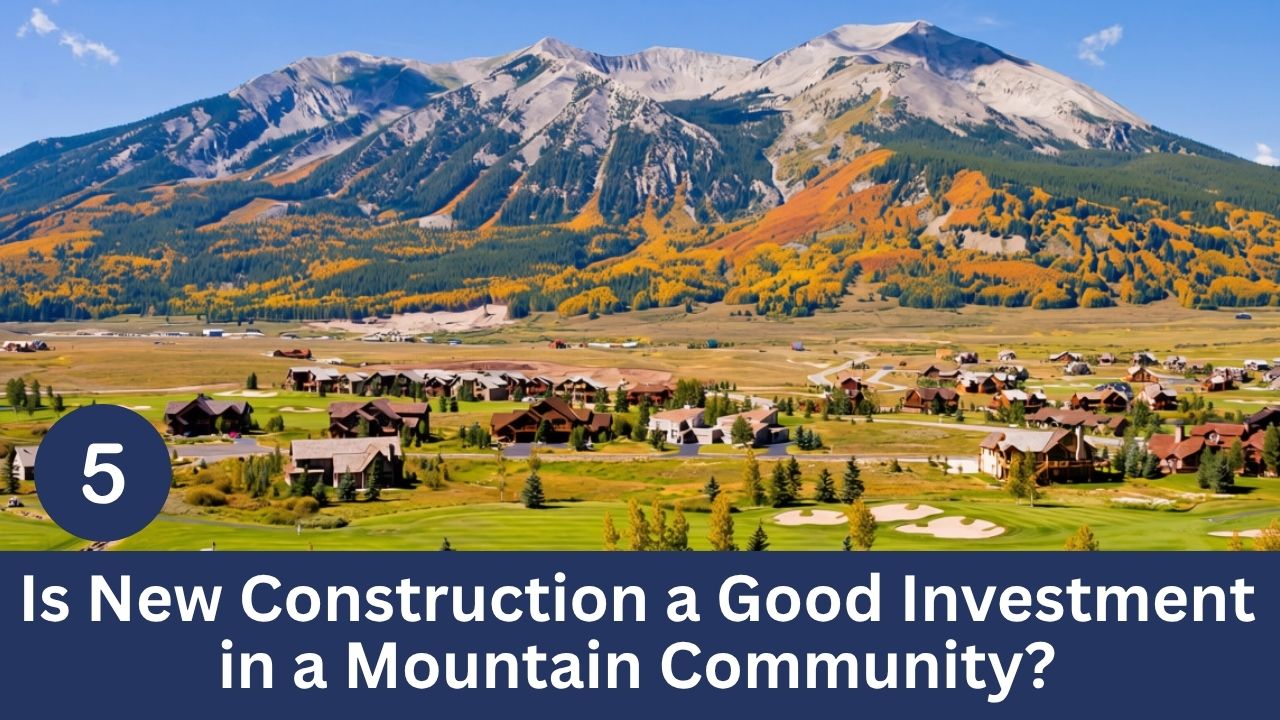
New construction can be attractive to buyers who value modern floor plans, contemporary finishes, energy-efficient systems, and the possibility of lower near-term maintenance costs. In mountain communities, features such as durable exterior materials, thoughtful storage for outdoor equipment, mudrooms, heated garages, and practical access during winter can be especially appealing. The right combination of location, design, construction quality, and functionality may also help a property stand out when it eventually comes time to sell. However, newer does not automatically mean a property will appreciate faster or deliver a stronger return than an existing home.
Before purchasing a newly built home as an investment, buyers should evaluate the total acquisition or construction cost, ongoing ownership expenses, comparable sales, local demand, and the property’s likely resale appeal. If rental income is part of the plan, it’s also important to verify applicable zoning, licensing, HOA restrictions, and short-term rental regulations before relying on projected revenue. Every property has its own risks and opportunities, and a careful review of the numbers and local requirements can help buyers make decisions that align with their long-term financial goals.
As a local real estate agent who has called the Gunnison Valley home for more than two decades, I enjoy helping buyers and sellers explore opportunities throughout Gunnison County, from Crested Butte and Mt. Crested Butte to Gunnison and the surrounding communities. Whether you’re considering purchasing land, building your dream home, buying a newly constructed property, or selling your current home to pursue your next opportunity, I’d love to help you navigate the process. Feel free to stop by my office so we can talk through your real estate goals and enjoy a cup of coffee along the way. Sometimes, the best opportunities start with a simple conversation!